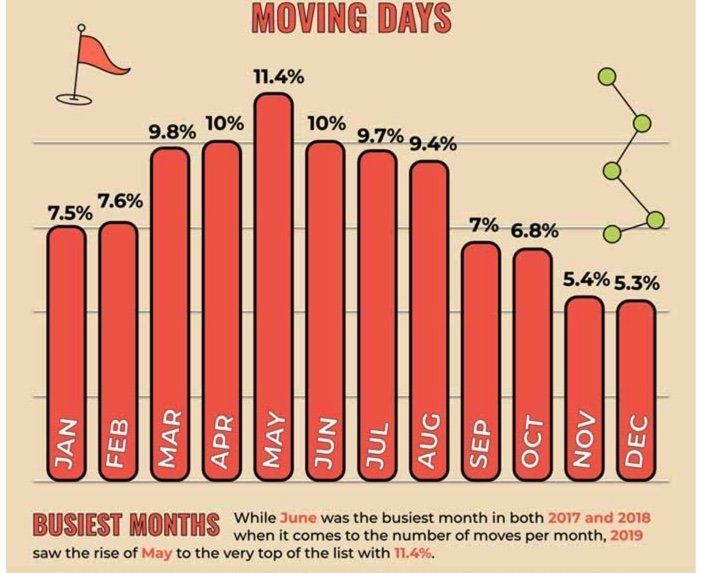
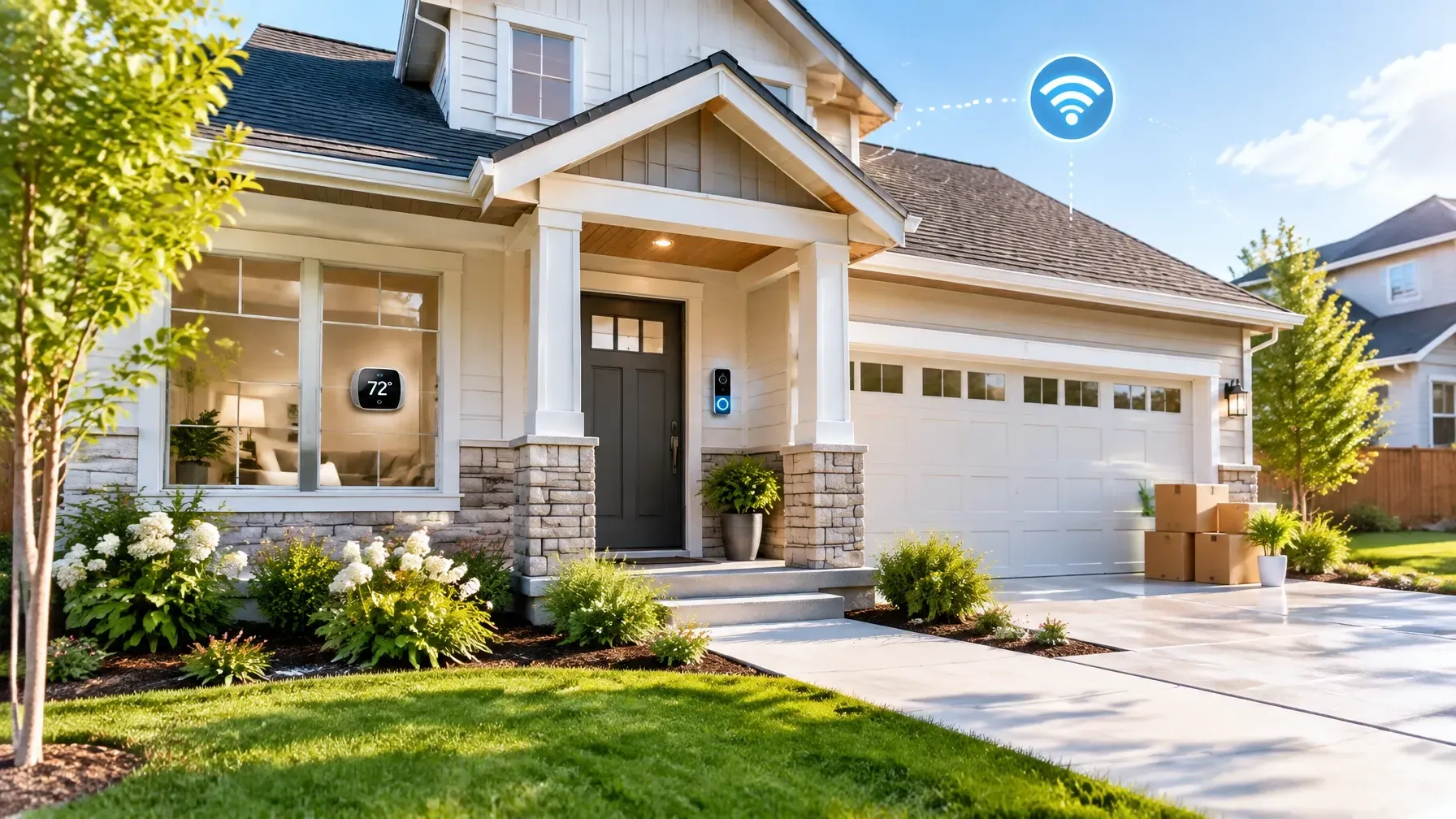
Prime home buying & selling months are approaching... that means lots of movin' and shakin' is in a lot of peoples near future. Here's how technology is helping us adapt to home buying & selling during a pandemic.

Almost everything right now is shifting to a virtual format. School, work, even virtual happy hour with your friends! One of the big changes we've had to adapt to are revisions to the common real estate transaction, which all vary by state and locality. Technology is making it possible for many of us to continue on the quest for homeownership, with some pretty ingenious ways.
Here’s a quick look at some of the elements of the home buying process that have changed (for the near-term), due to stay-at-home orders and social distancing, and what you may need to know about each one if you’re thinking of buying or selling a home soon.
1. Virtual Consultations
– Instead of heading into an office, you can meet with real estate and lending professionals through video chat. ( think xoom, Face Time, Skype, Google Hangouts etc) Whether it’s your first initial needs analysis as a buyer or your listing appointment as a seller, you can still get the process started remotely and create a plan together. Your trusted agent is still on your side.
2. Home Searches & Virtual Showings
– According to the National Association of Realtors (NAR), the Internet is one of the three most popular information sources buyers use when searching for homes. Your real estate agent can send you listing information and help you request a virtual showing when you’re ready to start looking. This means you can virtually walk through the homes on your wish list while keeping your family safe ( these virtual showings are really cool) As a seller, you can still have virtual open houses and virtual tours too, so as not to miss those buyers looking to find a home right now, without worry of strangers visiting your home.
3. Document Signing
– Although this is another area that varies by state, today more portions of the transaction are being done digitally. In many areas, your agent or loan officer can set up an account where you can upload all of the required documents and sign electronically right from your computer, any time... talk about CONVENIENT! Perhaps we will get lucky and this one will stick around once things get back to "normal".
4. Sending Money
– Whether you need to pay for an appraisal or submit closing costs, there are options available. Depending on the transaction and local regulations, you may be able to pay by credit card, and most banks will also allow you to wire funds from your account. Sometimes you can send a check by mail, and in some states, a mobile escrow agent will pick up a check from your home.
5. Closing Process
– Again, depending on your area, a mobile notary may be able to bring the required documents to your home before the closing. If your state requires an attorney to be present, check with your legal counsel to see what options are available. Also, depending on the title company, some are allowing drive-thru closings, which is similar to doing a transaction at a bank window.
Although these virtual processes are starting to become more widely accepted out of sheer necessity, it does not mean that this is the way things are going to get done from now on. For now, however, technology is making it possible to continue real estate transactions.
Bottom Line
You don't need to put your home buying dreams on hold due to Covid-19. If you're considering buying or selling, reach out to a great Real Estate Agent in your area. Word on the street is it's a perfect time for home buyers because interest rates are so low. Where there is a will, there is a way, right?! Once you find the right home, make sure you give Utility Helpers a ring- We take all the work out of setting up your utilities and find the best deals for your internet and TV services too. Remember, you've got better things to do.

By Jonathan Brown
•
March 24, 2026
Moving soon? Learn how to set up utilities and home services once your contract is signed. Get everything active by closing day for a stress-free move-in!"
How does that look to you, Jonathan? If you're happy with those, I can help you with the next article on your list! ✍️✨

By Jonathan Brown
•
April 15, 2025
When you’re settling into a new home, there’s enough on your plate—moving boxes, setting up utilities, figuring out the Wi-Fi password... The last thing you need is the hassle of dealing with old-school cable TV. That’s why more and more homeowners are ditching cable and switching to DirecTV Stream —a modern, flexible streaming service that gives you all the live TV you love, without the baggage of traditional cable. 📺 All the Channels You Want—No Clunky Equipment With DirecTV Stream, you get access to popular live TV channels like ESPN, HGTV, CNN, and your local networks. Best part? No satellite dish or bulky cable boxes. Just download the app on your smart TV, tablet, or streaming device, and start watching. 💸 No Contracts. No Surprises. Cable contracts can be a nightmare. With DirecTV Stream, you're free to come and go as you please. No long-term agreements, no early termination fees, and no surprises on your bill. 🌐 Watch Anytime, Anywhere Whether you're at home, on the go, or traveling, DirecTV Stream goes wherever you do. All you need is Wi-Fi and your login. It’s perfect for families with different viewing habits or anyone who loves flexibility. 🧰 Custom Packages That Fit Your Life Only watch sports? There’s a package for that. More into lifestyle and entertainment? Covered. DirecTV Stream lets you choose a plan that works for you—without paying for channels you’ll never watch. 📼 Unlimited Cloud DVR Never miss a show again. With DirecTV Stream’s cloud DVR, you can record and rewatch your favorites on your own schedule. ⚡ No Installation. No Headaches. No waiting on a technician. No drilling. No wires. Setting up DirecTV Stream is as simple as downloading an app—and at Utility Helpers, we can walk you through it as part of your move-in concierge experience. 🎯 Ditch Cable, Stream Smarter DirecTV Stream gives you the best of both worlds: live TV and on-demand entertainment, all without the headaches of cable. It's convenient, cost-effective, and easy to use—exactly what you need when you're moving into a new home. Let Us Handle It for You! At Utility Helpers , we make moving easier by helping you activate all your home services—TV, internet, electricity, security, and more. Ready to get DirecTV Stream set up? We’ve got you covered. 📞 Call us at 813-291-3600 or visit utilityhelpers.com to get started.

February 20, 2024
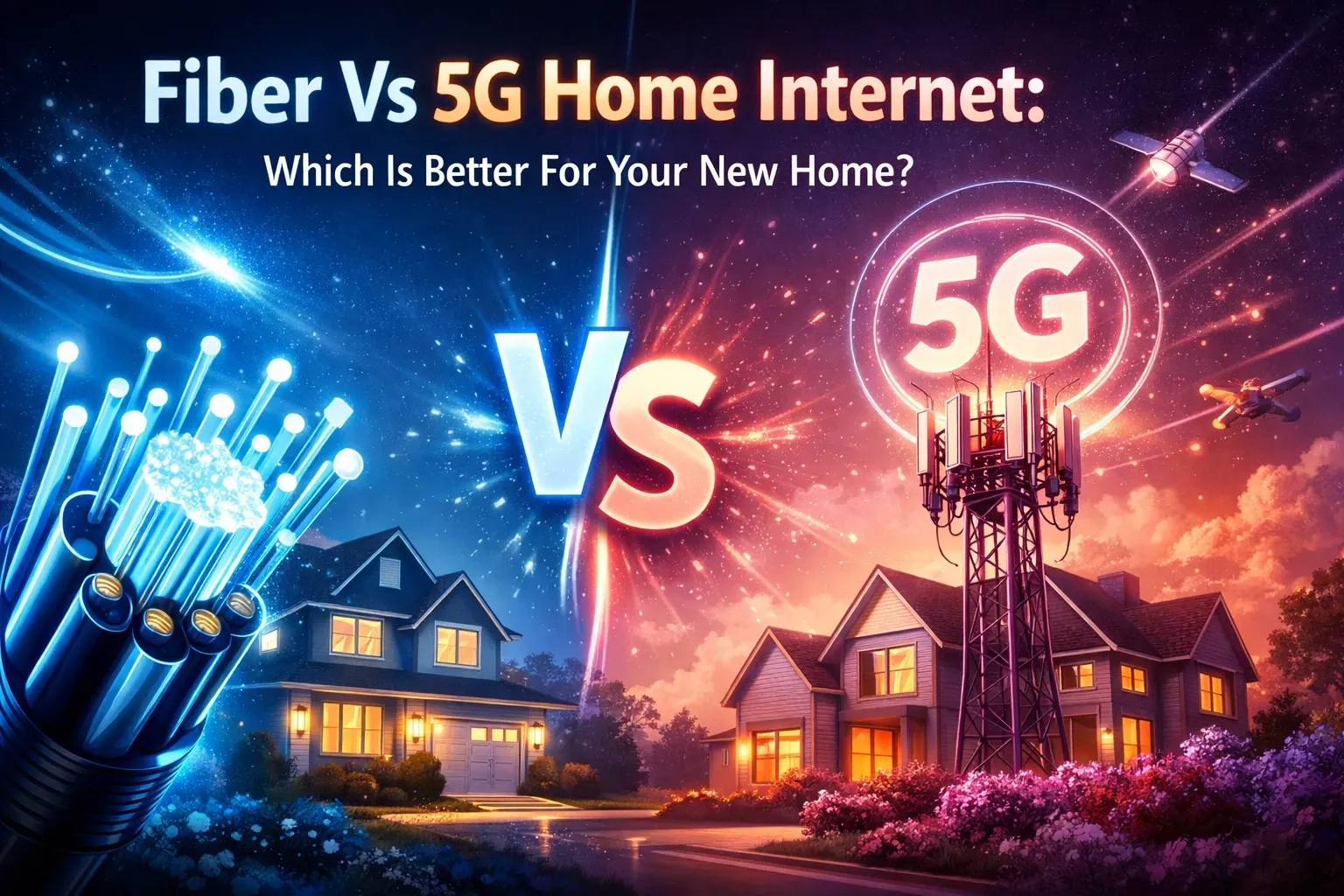
Looking for reliable internet speed for your new home? Utility Helpers has expertise in setting up internet service with notable providers to make your move easy. Let's begin by understanding how internet speed is measured. Internet speed is measured in either megabits per second (Mbps) or gigabits per second (Gbps). Which is faster Mbps or Gbps? A higher Mbps rate equals a faster connection speed. For example 500 Mpbs is higher than 100 Mbps. When it comes in terms of Gbps (gigabit) is composed of a 1,000 Mbps (megabits). Gbps is higher than Mbps. The abbreviations Mbps and Gbps are commonly mistaken for megabytes (MB) or gigabytes (GB); both megabytes and gigabytes are used to measure the capacity of data storage, in example your computer's hard drive. How much internet do I need? A way to determine what internet speed is needed, first list all the things you use the internet for. How many devices are running on your network? If you are using multiple devices in your home, it is suggested to use "gig-speeds" to reduce loading times. Are you using streaming services (such as Netflix)? When using streaming service, it is suggested to take into consideration how many devices are consecutively streaming in your home network. Most clients stream from devices such as smart TV's, tablets or smart phones. Suggested speeds are 500 Mbps to 1 Gbps. Are you running a small business or work from home? Working from home requires a more consistent connection or speed to upload documents, send emails, use a fax machine or answer work calls (only if you have a phone that works off the internet; commonly known as Voice Over Internet Protocol or Voip). Suggested speed is 1Gbps. Does your home have a security system with cameras? Investing in a security system is one of the first things we do when buying a home. Security systems do not demand high speed internet. However, if you have cameras with your security system and they are recording 24/7, a higher speed might be required to experience minimal buffering and to avoid the cameras from missing an important event. Suggested speeds are 500 Mbps to 1 Gbps. Are there any gamers in your family? Surprisingly, gaming typically does not demand high speed internet bandwidth. However, a reliable FIBER connection is recommended to prevent congestion in your home network. An ideal fiber internet speed for gamers is above 300 Mbps and an ideal coaxial internet speed is at least 500Mbps to 1 Gbps. Fiber vs Coaxial Data Connection The main differences between a fiber and coaxial wire is that a fiber cable comprises of glass optical fibers and uses light to carry data, therefore it enables a fast and consistent internet speed. Meanwhile, a coaxial cable comprises of copper and uses electricity to carry data. Coaxial often times is noticeably slower than a fiber connection. One of the biggest differences comes with bandwidth symmetry; Fiber has uniform download/upload speed (i.e. 100 Mbps upload / 100 Mbps download). Whereas a coaxial connection is asymmetrical (i.e. 100 Mbps / 20 Mbps upload). To avoid any interruption in service, we recommend you contact Utility Helpers to allow our professional representatives to assist you in getting connected with the best internet provider available at your new home .